The Spark journal · Learning Through Play
Strong little hands grow through play, not handwriting drills.
Before a preschooler can comfortably hold a pencil or zip a winter coat, the small muscles in their fingers, palms, and wrists need thousands of joyful invitations to squeeze, pinch, pour, and create.
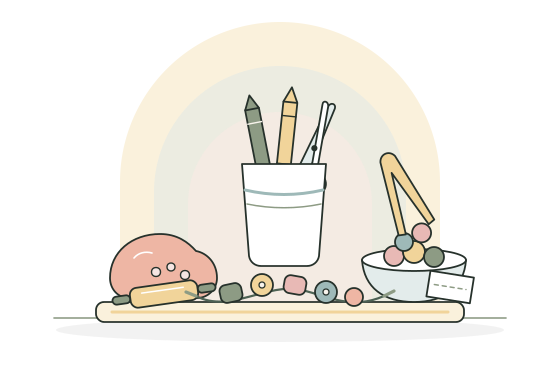
Picture a kitchen table on a rainy Tuesday afternoon. At one end sits a stack of dotted-letter tracing sheets and a full-length adult pencil. Within two minutes, a four-year-old is sighing, leaning on their elbow, and sliding off the chair. Across the table sit a ball of warm homemade play dough, a pair of child-safe scissors, a muffin tin, and a pair of small kitchen tongs beside a bowl of colorful pom-poms. Twenty minutes later, that same child is still deeply focused—squishing dough into "pancakes," snipping long snakes into "noodles," and rescuing every last pom-pom with quiet concentration.
That contrast is an illustrative example rather than a story about an individual student, and it points to a foundational truth of early childhood development: preschoolers build writing readiness and self-care independence with their whole hands long before they need lined paper.
When families search for fine motor skills activities for preschoolers, it is easy to assume they need specialized kits or extra seatwork. In reality, everyday play materials—dough, clothespins, tongs, blocks, chalk, and kitchen spoons—do the real muscular and neurological work.
Why hand strength comes long before pencil grip.
"Fine motor skills" refers to the coordination of the small muscles in the hands, fingers, and wrists working together with the eyes. It includes far more than holding a crayon:
- Hand and palm strength: Squeezing, rolling, and pressing build the stable arches in the palm so fingers can move smoothly without cramping.
- Pincer and tripod control: Using the thumb, index, and middle fingers to pinch, peel, thread, or pick up small objects lays the groundwork for a comfortable writing grasp.
- Bilateral coordination: Using both hands together for different jobs—one hand holding the paper steady while the other snips with scissors, or one hand stabilizing a jar while the other twists the lid.
- Wrist extension and stability: Working on vertical or angled surfaces (like an easel or sidewalk chalk) gently positions the wrist so the fingers can do precise work.
As the Head Start Early Learning Outcomes Framework (ELOF) explains, fine motor control, bilateral coordination, and tool use are core pieces of early perceptual and physical development—supporting everything from turning book pages and manipulating math counters to early mark-making. Developmental research published in Child Development (Cameron et al., 2012) also found that fine motor skills (such as visual-motor design copying) and executive function independently predict academic growth across kindergarten.
That research does not mean three-year-olds should be drilled on handwriting worksheets. Instead, it shows why playful hand-eye coordination and purposeful material exploration deserve room in your child's everyday routine.
What fine motor growth looks like across ages 3, 4, and 5.
Preschoolers move from whole-hand, palm-heavy movements to smoother, isolated finger control over several years—not overnight. Checking HealthyChildren.org’s guidance from the American Academy of Pediatrics alongside the CDC’s Learn the Signs. Act Early. milestones gives families a realistic, reassuring picture of how these skills unfold:
- Around age 3: Children begin stringing large items together (like chunky wooden beads or rigatoni pasta), putting on loose clothing like a jacket or pants, using a fork, and drawing a circle when shown how. Many three-year-olds are still transitioning from a fist grasp toward holding a crayon with thumb and fingers.
- Around age 4: Many children hold a crayon or pencil between their fingers and thumb rather than in a fist, unbutton some buttons, and pour water or serve food with adult supervision. Hand-eye coordination expands into simple snipping with child-safe scissors and more recognizable drawings.
- Around age 5: Children gain steadier control for buttoning buttons, writing some letters in their name, copying geometric shapes, and managing classroom tools like glue sticks and scissors with both hands working together.
Every child develops on their own timeline, and hands strengthen through repeated, low-pressure use. If you ever notice persistent frustration, hand pain, or coordination delays compared with everyday milestones, bring those observations to your child’s pediatrician during a checkup. For families thinking ahead to school transitions, our Kindergarten Readiness Checklist and guide on how to talk with your child’s teacher look at whole-child readiness beyond checklists alone.
Consider what this looks like in an ordinary morning moment:
Suppose a four-year-old gets frustrated because their fingers tire quickly while coloring, or because a coat zipper keeps slipping out of their pinch. Instead of drilling letters, an adult sets out a two-minute game while breakfast cools: squeezing a damp kitchen sponge into a bowl, clipping four wooden clothespins onto the rim of a plastic cup, and switching from long skinny markers to chunky half-length crayons. Short crayons naturally invite the thumb and fingers forward without a lecture, while the sponge and clothespins wake up the exact pinching muscles needed for coloring and zippers.
Seven low-prep fine motor activities using what you already have.
In play-based learning, the best fine motor invitations require no special equipment and leave your child in charge of the story. The National Association for the Education of Young Children (NAEYC) highlights everyday play with dough, manipulatives, art tools, and practical-life jobs as the richest way to build finger dexterity and wrist flexibility.
Always supervise young children closely with small parts (beads, dry pasta, clothespins) and child-safe scissors, choosing materials appropriate for children who no longer mouth objects.
1. Play dough bakery with real kitchen tools
- Set it out: A fist-sized mound of soft play dough paired with a wooden rolling pin, cookie cutters, a plastic butter knife, or a clean garlic press.
- What it builds: Whole-hand palm strength, finger isolation (poking dots or pressing seeds), and wrist rotation.
- Try it today: Roll dough into long "snakes" together and invite your child to pinch along the top to make dinosaur spikes or slice pieces for a pretend bakery.
2. Kitchen tongs and the "pom-pom rescue"
- Set it out: Small salad or toast tongs, two bowls or an ice-cube tray, and a handful of large pom-poms, cotton balls, or folded socks.
- What it builds: Open-and-close thumb-and-finger strength and visual tracking across the midline.
- Try it today: Pretend the pom-poms are stranded animals or berries that need moving to safety—or let your child sort them by size or color using their own rule.
3. Clothespin edge-clipping
- Set it out: Spring-loaded wooden clothespins and the rim of a sturdy cardboard box, paper plate, or plastic colander.
- What it builds: Targeted pinch strength in the thumb, index, and middle fingers.
- Try it today: Draw a sun circle on cardboard and let your child clip wooden "sunbeams" all the way around, or clip numbered cards onto a basket during cleanup.
4. Paper tearing and sticker trails
- Set it out: Strips of colorful junk mail, magazine pages, tissue paper, or simple dot stickers alongside a blank sheet of heavy paper and a glue stick.
- What it builds: Bilateral coordination (pulling two hands in opposite directions to tear) and delicate fingertip pincer grasp (peeling stickers).
- Try it today: Ask your child to tear paper into tiny "raindrops," "autumn leaves," or "confetti" and press them onto glue trails they draw themselves.
5. Play-dough and cardstock scissor snips
- Set it out: Blunt-tip, child-safe scissors that fit small hands, plus thick cardstock strips or soft play-dough snakes.
- What it builds: Thumb-up hand positioning, rhythmic opening and closing, and two-handed coordination.
- Try it today: Skip floppy printer paper at first—it bends and frustrates beginners. Narrow cardstock strips let a preschooler succeed with single snips ("chomp, chomp, chomp") before ever tackling curved lines.
6. Pipe-cleaner and bead threading
- Set it out: Stiff chenille stems (pipe cleaners) or a shoelace with a taped tip, paired with large wooden beads, dry rigatoni pasta, or cut drinking straws.
- What it builds: Precision finger-to-thumb alignment and patient hand-eye focus.
- Try it today: Poke pipe cleaners upside-down into the holes of a kitchen colander to build a sculptural "hedgehog," or thread pasta onto a stiff stem for a bracelet.
7. Vertical-surface painting and chalk
- Set it out: Large paper taped to an easel, refrigerator door, or patio fence with washable paint sticks or water and a house paintbrush, or sidewalk chalk outdoors.
- What it builds: Shoulder and core stability plus gentle wrist extension—the exact posture that makes pencil control effortless later.
- Try it today: On a dry afternoon, give your child a bucket of water and a wide paintbrush to "paint" the fence or driveway stones, watching shapes appear and disappear.
Turning daily routines into quiet hand workouts.
You do not need to schedule an extra craft hour to support your child’s hands. Everyday home routines naturally weave fine motor practice into moments that also nurture confidence and belonging:
- In the kitchen: Tearing lettuce for salad, peeling a clementine, snapping green beans, stirring pancake batter with a wooden spoon, pouring milk from a small measuring pitcher, or wiping a spill and squeezing the sponge dry.
- Getting dressed: Pulling up socks, sliding zippers once started, unsnapping pajamas, and practicing one big button on a sweater when you are not rushing out the door.
- During family errands and play: Opening small snack containers, turning puzzle pieces until they fit, stacking wooden blocks into tall garages, and exploring open-ended materials that keep the child’s ideas in charge—just as we explore in what children learn beyond the finished project and our Preschool Holiday Gift Guide.
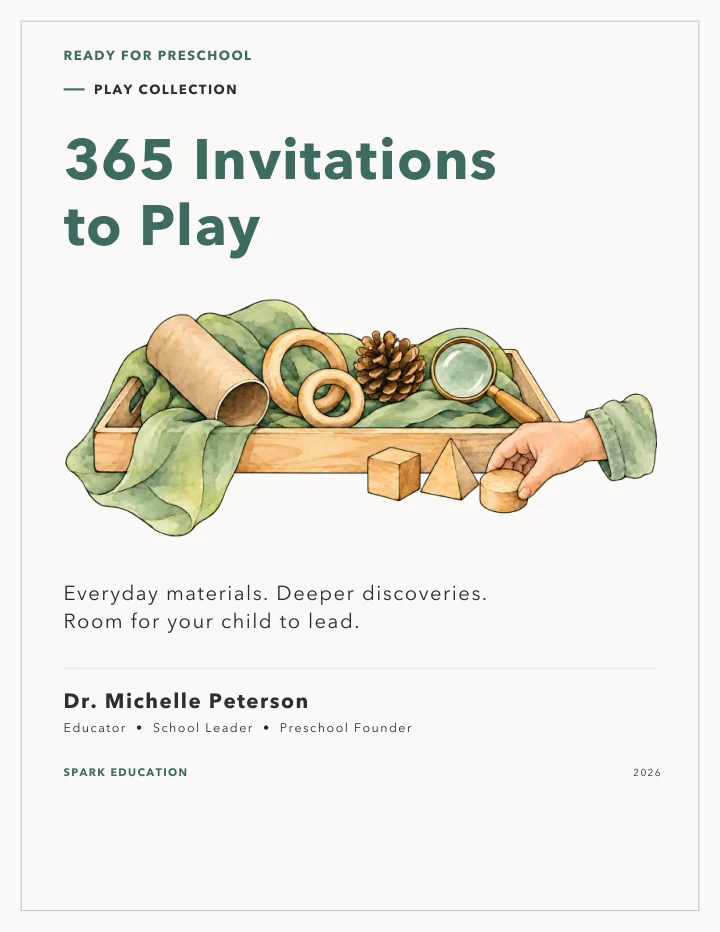
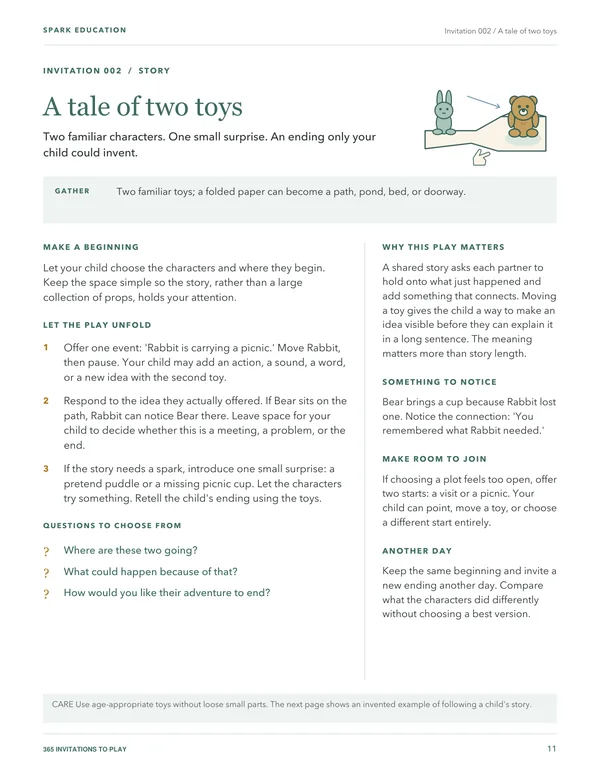
If you would like seven zero-fluff home activities ready to print this week—using socks, tape, bowls, and ordinary items already in your kitchen—download our free A Week of Preschool Play — PDF, 10 pages. It comes straight from Dr. Michelle Peterson’s 429-page digital book, 365 Invitations to Play ($14.95), or you can explore all five printable family guides together in the Preschool Play & Readiness Collection ($24.95, saving $23.80).
Questions families ask about preschool fine motor skills.
Should I buy tracing workbooks so my 3- or 4-year-old learns to write sooner?
Tracing packets rarely help as early as families hope. When a young child’s palm arches and finger muscles are not yet ready for sustained pencil control, forcing small, tight letter tracing often leads to hand fatigue, awkward fist-like grips, and early avoidance of writing. Building strength first through play dough, tongs, blocks, vertical drawing, and short chunky crayons helps handwriting feel natural when their hands and brain are ready.
My child still switches hands when coloring or using a spoon—is that normal?
Yes, especially at age three and into early four. Many preschoolers are still experimenting with both hands as they build bilateral coordination and discover a comfortable dominant side. Offer utensils and crayons right in front of the center of their body so they can choose freely without pressure, and mention any persistent questions to your pediatrician.
How do I help a preschooler who gets frustrated with scissors?
Check two quick mechanical details first: make sure the scissors are genuinely sized for small hands (and left-handed if your child prefers their left hand), and switch from thin copy paper to stiff cardstock strips or play-dough snakes. A cheerful reminder like "Thumb on top, smiling at the ceiling" helps children keep their elbow tucked comfortably at their side instead of twisting their wrist upside down.
What if my child hates coloring and drawing?
Follow their curiosity instead of insisting on crayons at the table. Children who skip coloring pages often build extraordinary hand strength through interlocking blocks, squeezing water out of bath sponges or turkey basters, hammering golf tees into floral foam or a pumpkin, stirring dough in the kitchen, and drawing big roads outdoors with sidewalk chalk.
See purposeful play in person.
At Spark Academy in Morton, Illinois, our classrooms and monthly-rotating Developmental Playroom are thoughtfully stocked with hands-on materials that build hand strength, problem-solving, and joyful confidence every morning. Local Central Illinois families are warmly invited to schedule a personal tour to see purposeful play in action.
The Spark Journal · Email Updates
Never miss a new Spark Journal article.
Get a short, thoughtful note from Dr. Michelle Peterson on Tuesdays and Fridays when new articles go live—practical ideas for the preschool years, straight to your inbox.
Try 7 Invitations Free · Families Everywhere
Bring purposeful play home—using what you already have.
Dr. Michelle Peterson’s 429-page digital book, 365 Invitations to Play, turns everyday household materials into meaningful moments of language, early math, and connection. Try a free week of seven invitations first.
Dr. Peterson’s complete PDF library · Paid PDF downloads you can read on screen or print selected pages: